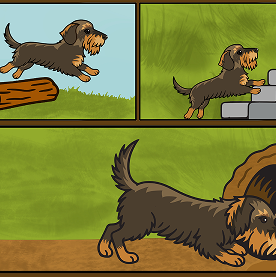

There’s something magical about a classroom read-aloud. It’s a time when the hum of daily lessons pauses, and students lean in, wide-eyed and eager, as a story unfolds. But what makes one book soar while another falls flat? The best classroom read-aloud shares three key traits: heart, humor, and a curious, unforgettable character.
Books that resonate in classrooms do more than fill time—they spark conversation, ignite creativity, and reinforce key emotional and academic skills. When a teacher holds up a storybook, they are not just reading; they create a shared experience that can shape how students see themselves and each other.
The Many Adventures of Hans by Jennifer Roberts is one such book that excels in this area. At first glance, it’s a simple tale about a dog who gets lost. But at its core, it offers rich opportunities for classroom engagement. Hans, the dog, is curious, kind-hearted, and just a little bit mischievous—the type of character children love and relate to. His forest adventure becomes a relatable metaphor for children’s experiences with the unknown.
A great classroom read-aloud should:
- Capture Attention Immediately – A strong beginning hooks listeners. In The Many Adventures of Hans, the action starts immediately as Hans wanders off the beaten path. This suspense keeps kids invested and eager to know what happens next.
- Balance Simplicity with Depth – The language should be accessible, but the themes must offer substance. Hans’ journey touches on courage, empathy, independence, and the importance of asking for help—perfect for guided discussions around social-emotional learning.
- Invite Participation – Whether through repeating phrases, sound effects, or character voices, the best books draw students into the experience. Children love guessing what Hans will do next, repeating his barks, or acting out scenes. This kind of interactivity enhances comprehension and makes the story more memorable.
- Support Curriculum Goals – Stories like The Many Adventures of Hans can be tied into lessons on animal habitats, forest ecosystems, narrative structure, and creative writing. Companion activity kits inspired by the book allow teachers to extend the learning beyond the reading circle.
Teachers can plan an entire week of activities from a single engaging story. For example, students might draw detailed maps of Hans’ journey through the forest, write their own “lost-and-found” adventure stories, or create character profiles for the woodland creatures Hans meets. These projects reinforce literacy skills, build empathy through character exploration, and boost classroom morale through creative expression.
Another engaging activity is to let students imagine themselves as the main character—”What would you do if you were lost in a forest?” which sparks discussion and critical thinking. Art integration can also play a role: collage-making, dioramas, or even designing a book cover based on the story helps cater to diverse learning styles.
And let’s not forget the value of humor. Hans’ innocent antics and unexpected encounters bring levity to the classroom, making it easier for even reluctant readers to stay engaged. When children laugh together, they bond and learning becomes a joyful experience. Humor also helps retain memory, so the lessons stay with them longer.
Additionally, stories featuring animal protagonists, especially dogs, create instant connections. Children often have pets at home, or dream of having one, and characters like Hans allow them to project feelings, thoughts, and experiences onto a safe, lovable figure. This emotional connection enhances comprehension and personal investment in the story.
In a world where educators are stretched thin, finding a story that entertains, educates, and empowers is a win on all fronts. The Many Adventures of Hans isn’t just a book; it’s a bridge to deeper classroom connection and creativity. It proves that with a little heart, a touch of humor, and a very curious dog, storytime can be the most meaningful part of a child’s school day.
Whether used for a quick afternoon wind-down or as the cornerstone of a week-long unit, the right read-aloud can transform the classroom experience. And sometimes, all it takes is a brave dog in the forest to lead the way.